If your dog guards a bed, couch, or crate, being asked to leave that space can create conflict. Your dog wants to stay comfortable, and you need them to move. Leaving may feel like losing something valuable rather than an opportunity to do something enjoyable.
One technique I use is to build a release cue that the dog really likes. The goal is not simply to get the dog off the furniture. It is to teach the movement and condition a positive emotional response to the cue, so moving away becomes a happy, familiar behavior.
This starts well away from any resource guarding situation. Much like building a reliable recall, you first create a strong reinforcement history in easy situations, then gradually practice in more challenging ones.
What You'll Learn
- Build a positive release cue in neutral spaces before practicing around places your dog guards.
- Reinforce leaving the position, not just remaining in a stay.
- Progress gradually through neutral resting surfaces and easy furniture setups.
- Teach a separate destination cue when moving toward you is not the best option.
Start With Safety and an Achievable Setup
If your dog has a serious guarding problem or can become aggressive, work with a professional trainer who does not use physical or psychological intimidation. Having help with the setup and progression can prevent mistakes that create more conflict. The AVSAB position statements provide additional guidance on humane training methods.
A release cue is one useful skill within resource guarding work, not a complete plan for every guarding situation. My 17-page resource guarding protocol covers the broader training process.
Do not begin by testing the cue in the place your dog is most likely to guard. Start somewhere neutral, where leaving is easy.
1. Teach the Release Away From Guarded Spaces
First, teach your dog what the release cue means as a behavior. I use “free” to release my dogs from a position and have them move toward me.
For a dog who might guard resting places, I begin with a stay on a neutral area of floor. I would not start on their favorite bed or couch.
- Ask your dog to stay in a neutral location.
- Say your release cue, such as “free.”
- Mark the movement toward you with “yes.”
- Reinforce your dog for coming toward you.
A common missing piece is reinforcement for the release itself. We often reward dogs for staying, then assume that being allowed to move around is enough of a reward when the stay ends. But if you want a strong, enthusiastic release, pay attention to reinforcing that movement, too.
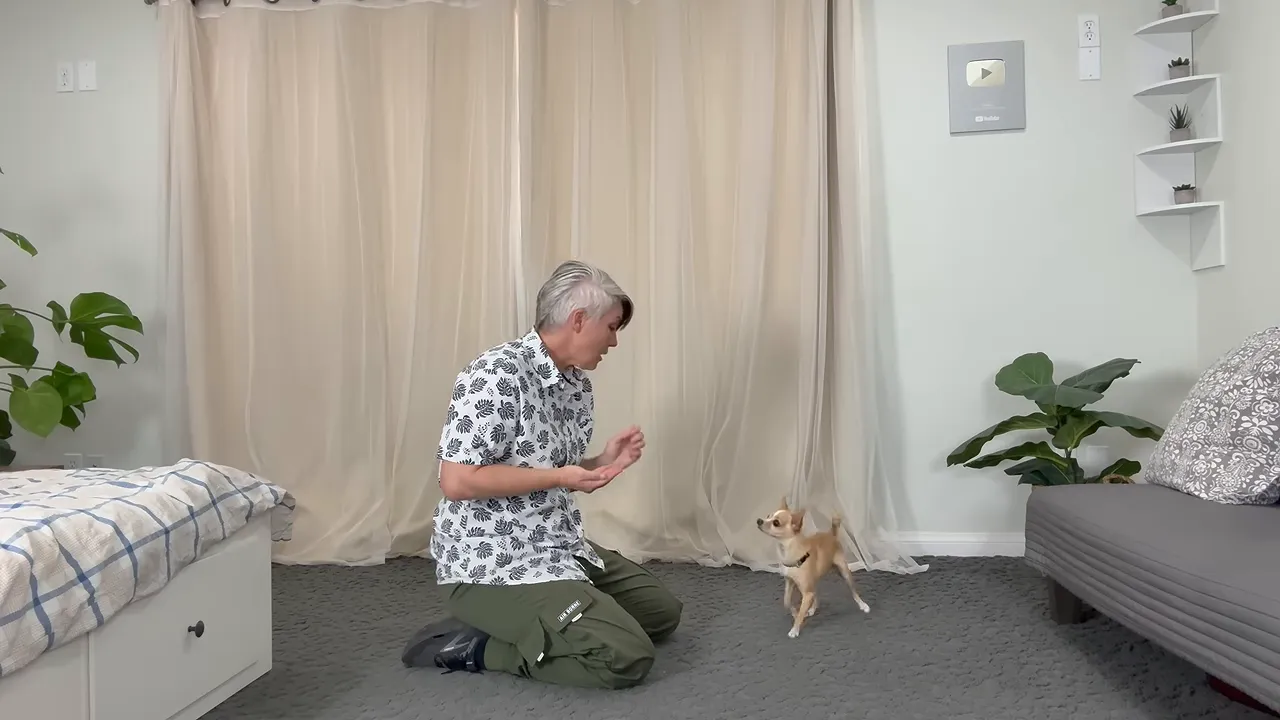
Practice releasing your dog from different positions in places where there is nothing nearby they are likely to guard. You are building both understanding and a good feeling about hearing the cue.
For a more detailed foundation, my release cue tutorial goes through the training in depth.
2. Progress to Neutral Beds, Mats, and Blankets
Once your dog is doing well with releases in neutral spaces, introduce a resting surface that does not already have a guarding history.
Useful options include:
- A new dog bed.
- A new mat.
- A folded blanket.
Practice going onto the surface, hearing the release cue, and moving off toward you for reinforcement. Only after your dog is doing well with these easier setups should you progress toward their specific bed.
My go to your bed and release tutorial covers both going to a bed and leaving it on the cue “free.” These two skills give you a clear way to practice the whole sequence.
3. Gradually Practice Around Furniture
You can build the skill across different situations rather than making one big jump from the floor to a difficult real-life moment.
For example, after practicing with a neutral dog bed on the floor, I can put that bed on the couch and practice the same release. I also practice releasing a dog from a larger bed. The behavior stays familiar while the setting changes.
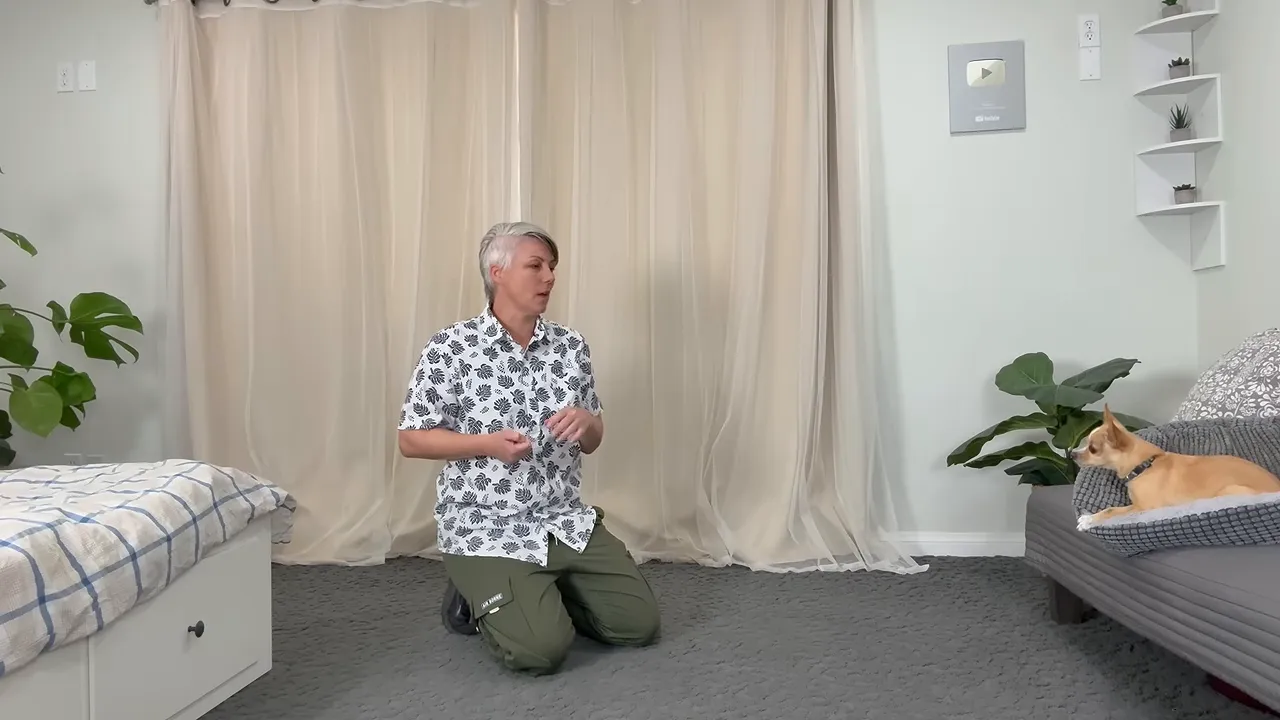
The important point is to choose situations that are easy for your particular dog. The furniture itself is only one part of the difficulty. How long your dog has been resting there can matter, too.
If your dog is more likely to guard after spending 30 minutes in a spot, do not begin training at that point. Instead, ask them to jump up and then cue them to come off shortly afterward, before they have spent much time there.
You are arranging an easy opportunity to succeed, not waiting until your dog is reluctant to leave and then finding out whether the cue works.
4. Teach Another Destination When Coming Toward You Is Not Ideal
Sometimes you may not want your dog to come toward you after leaving a space, particularly if they are stressed. In that situation, a cue to move to another location may be more useful.
You could teach:
- “Go to your bed” to move to a different resting place.
- “Go to your crate” to move into a crate.
This allows you to stay farther away from the place your dog might guard while giving them a clear destination. My crate entry and release tutorial covers the crate skills.
Be clear about what each cue means. In my training, “free” means to leave the position and come toward me. A bed or crate cue tells the dog to go somewhere else instead.
Build Enjoyment, Not Dependence on a Visible Treat
With a well-practiced release cue, you do not need to have treats or toys on you every time you ask your dog to move. My dogs can get up from comfortable resting places when I am carrying neither because the cue already has a strong, positive history.
That does not mean skipping reinforcement during training. It means building the behavior and emotional response first, rather than relying on showing your dog something enticing in the moment.
The aim is a dog who hears the cue and happily moves, not a dog who feels pressured to give up a valued space. Start away from guarding situations, reinforce the release, and make each new step achievable.


